
The Body Language Cheat Sheet That Makes You a Better Server

The Body Language Cheat Sheet That Makes You a Better Server
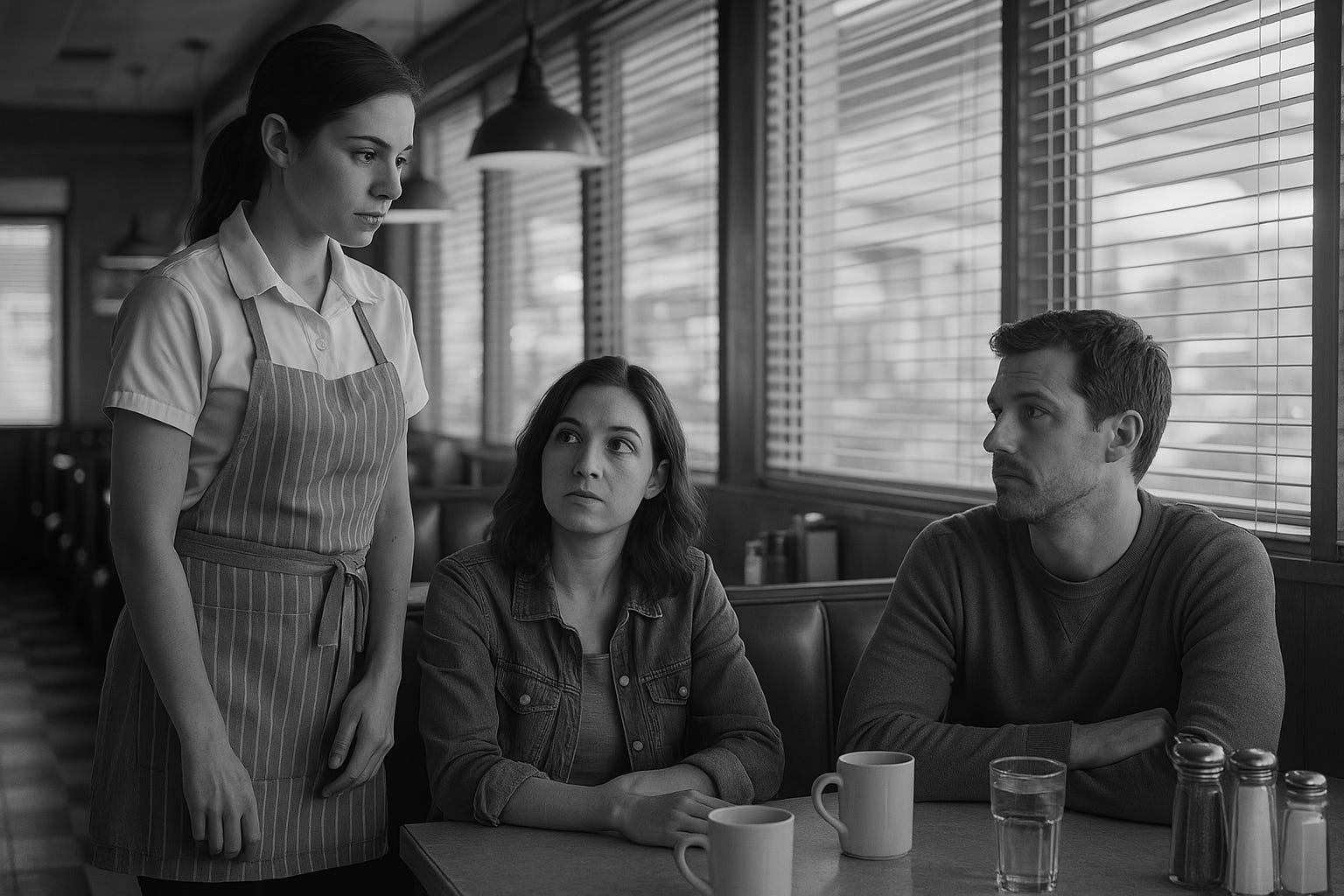
A guest shifts their weight. You notice. You adjust. You win. Great servers do more than take orders. They read minds without words.
A classic study found that 55 percent of emotional meaning comes from body language, 38 percent from tone of voice, and just 7 percent from the actual words we use¹. In a room full of chat and clatter, your eyes must hunt for whispers of need. You learn to see what lies under “I’m fine.”
Take eye contact. A guest who holds your gaze for a beat, then looks away, is testing you. They want to know if you see them. Meet that look and nod. They relax. They feel seen. They tip more. While there’s no universal figure for how much eye contact boosts tips, the National Restaurant Association notes that clear engagement and attentiveness, including eye contact, can encourage better gratuities². I have found it helpful to make eye contact long enough so that you realize their eye color.
Posture hints at the mood, but don’t treat it like gospel. A guest leaning back with arms unfolded often signals ease. They have time. Offer the special. But arms crossed? That’s trickier. It might mean discomfort or defensiveness. Or maybe they’re cold. Maybe they’re thinking. Step back, watch their face, see what follows. If the arms stay crossed and their eyes dart away, give them two minutes, then ask if they need more time. It’s not magic. It’s reading patterns.
Feet speak louder than mouths. They point toward interest. Toward exits. Toward escape. If a guest’s feet drift toward the bar, it’s a silent shout for a drink. Feet angled toward the door are prepping to leave. One foot out means they’re halfway gone. Respect that signal. Don't linger. Offer to box the meal. Float the check. Stay ahead of their exit.
Use mirroring. Match a guest’s pace of speech and posture. If they sit tall and speak in clear pulses, match them. If they lean and use soft words, drop your volume and slow your steps. The FBI has used mirroring for decades to build trust in interviews and interactions³. It works in restaurants, too. You become familiar without being intrusive.
Space matters. Stand too close and you feel like an intruder. Too far away, and you seem absent. Three to four feet keeps you in the guest’s comfort zone. It feels natural. You hover at the sweet spot between friend and professional.
Read microexpressions and posture shifts but use caution. A brief flash of confusion or tension may mean discomfort, but body language cues are rarely reliable in isolation. Experts like Navarro stress the importance of clusters and context. One twitch says little. A pattern says much.
Old etiquette taught us to bow or smile at the right time. Modern service demands more. You must sense hunger before they say it. You must feel thirst before they ask. You must read the menu as they read you. Do this and your tables thank you with applause in bills and tips.
Practice reading people. Watch your guests not just with your eyes but with all your senses. Notice the small shifts. Adjust before they speak. Serve as if you know their next thought.
#BodyLanguage #ServerTips #RestaurantService #Hospitality
Footnotes
Albert Mehrabian, Silent Messages, Wadsworth, 1967
National Restaurant Association, “Tipping and Service Trends” briefing materials, 2016
Joe Navarro, What Every Body Is Saying, HarperCollins Publishers, 2008