
How Far Can Vertical Farming Go? A Game Changer in Modern Agriculture

How Far Can Vertical Farming Go? A Game Changer in Modern Agriculture
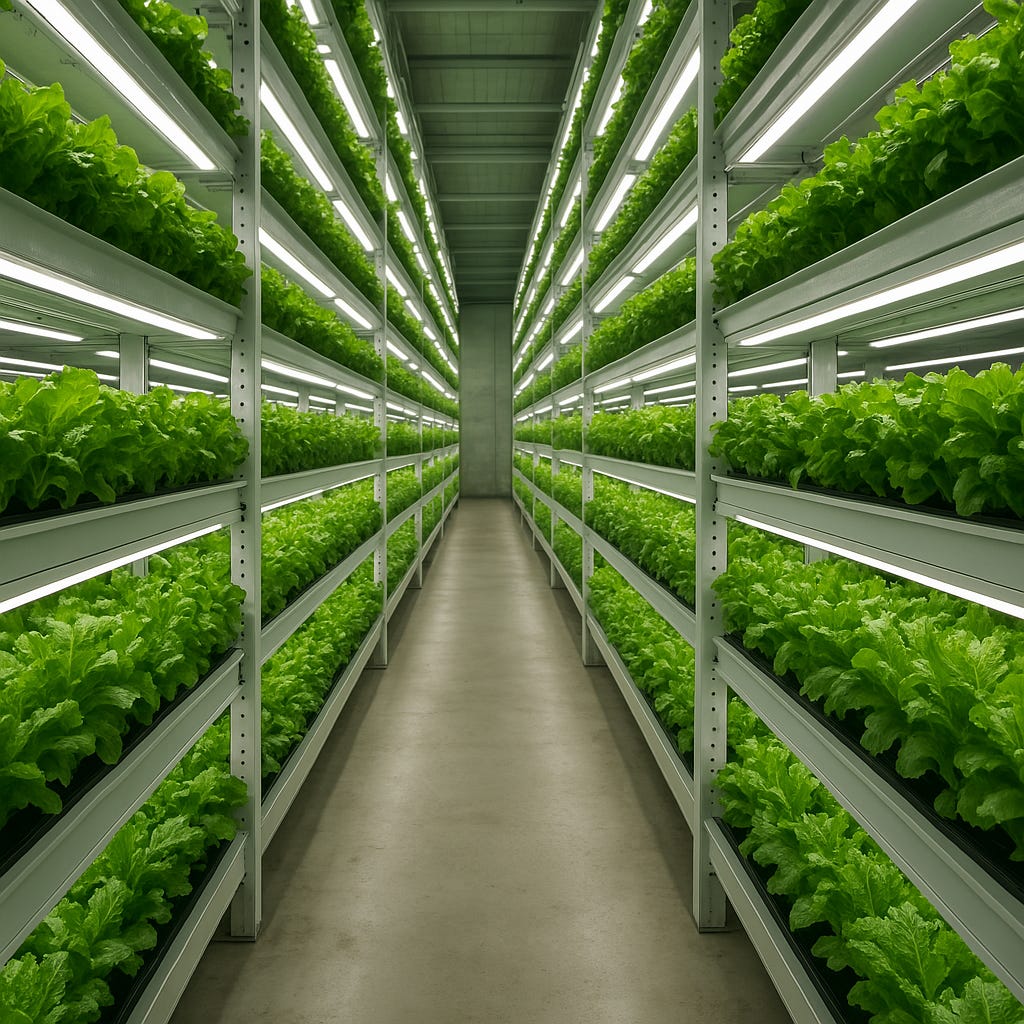
Vertical farming is reshaping how we grow food. It is a modern way to feed our cities. This method grows crops in layers inside buildings. It uses simple tech and smart design to control light, water, and temperature. In a world of shrinking farmland and rising urban populations, vertical farming offers a bold new path.
The benefits are clear and strong. Vertical farms save space. In crowded cities, every square foot matters. These farms use less water than traditional fields. Some systems cut water use by as much as 95 percent through recycling. They also grow food all year long with steady climate control. In New York, for example, one local vertical farm produces fresh herbs and leafy greens that reach local markets within hours. Such close-to-home production cuts transport costs and lowers harmful emissions.
There are real challenges as well. Energy use is high. The arrays of LED lights and climate systems work hard every day. Some farms are testing solar panels and wind power to lower these costs. Another challenge is crop choice. Leafy greens and herbs do well indoors. Yet staple crops like wheat or rice face more hurdles. Researchers at several universities are now exploring new ways to grow these grains under controlled settings. The cost to set up a vertical farm can run into millions of dollars. But as tech improves and investments grow, these costs are expected to fall. Each small gain builds the case that vertical farming can move from niche to widespread use.
The future of vertical farming shines bright. Urban centers from Singapore to San Francisco are leading the way with pilot projects and innovation labs. Advances in artificial intelligence and robotics can make the farms run more smoothly. Soon, sensors may track every drop of water and every ray of light to boost crop yields. In remote areas or even on space stations, vertical farming could offer a safe, steady source of food. In times of natural disaster, these farms might sprout in shelters to keep food supplies steady.
Vertical farming does not seek to erase traditional farming. Instead, it offers a powerful complement to feed a growing world. It cuts food miles, saves scarce water, and fills gaps where nature falls short. As cities grow, this high-tech method of farming could help meet the demand for fresh, local produce. The promise of vertical farming urges us to rethink our food systems and to embrace a new era in agriculture.
#VerticalFarming #SustainableAgriculture #UrbanFarming #FutureOfFood #IndoorFarming #FoodTech #AgTech